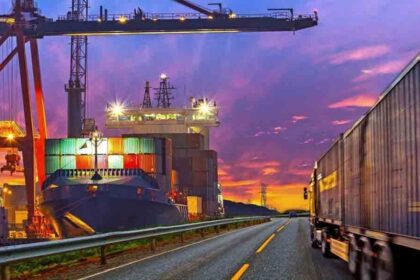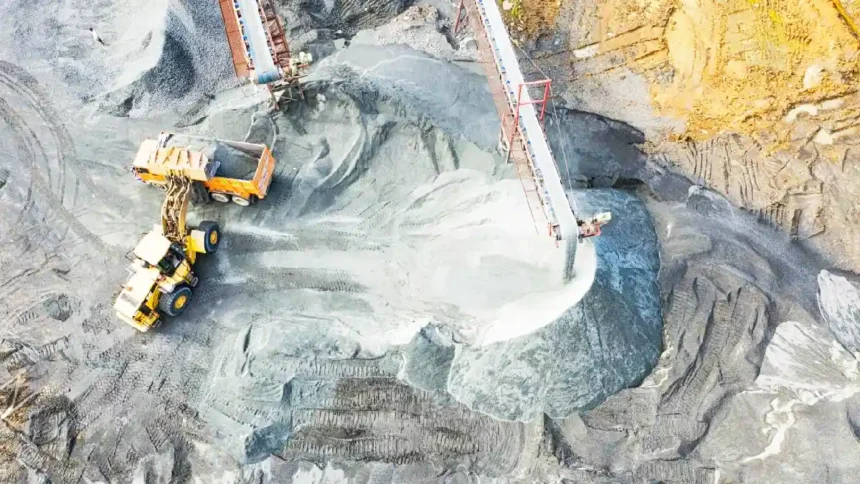


According to figures shared by the Minister, the targeted deposits are estimated to contain between 15 and 20 billion tonnes of iron ore, with an average grade exceeding 60%, placing the DRC among the world’s largest holders of high-grade iron resources still largely untapped at an industrial scale. An initial investment of USD 28.9 Billion. Consolidated technical and economic studies estimate the initial capital expenditure for the first phase of the project at USD 28.9 billion. This investment will cover all core components of the industrial complex, including: large-scale mining operations; industrial processing and beneficiation facilities and the development of a multimodal logistics corridor, combining heavy-haul rail infrastructure, river transport along the Congo River, and strategic access to the deep-water port of Banana.
According to the government briefing delivered by the Minister of Communication and Government Spokesperson, Patrick Muyaya Katembwe, the first phase is designed for an annual production capacity of approximately 50 million tonnes, with a gradual expansion potential reaching up to 300 million tonnes per year, volumes comparable to the world’s largest iron ore basins.
Strong long term financial outlook
Over a projected 25-year operating horizon, the MIFOR economic model forecasts robust financial performance. Cumulative revenues are expected to exceed USD 679 billion, while net cash flows could surpass USD 308 billion. The projected internal rate of return reflects the project’s resilience, even under conservative iron ore price assumptions.
Beyond mining operations, MIFOR is designed as a strategic financial and economic instrument, enabling the State to transform mineral wealth into sovereign infrastructure assets and, subsequently, into sustainable public revenues. The project is expected to contribute to macroeconomic stability and support balanced territorial development. After more than a century of mining activity largely focused on copper and cobalt, MIFOR represents a major strategic diversification of the DRC’s extractive sector. Its ambition is to reposition the country as a key player in the global iron ore market while maximizing economic and fiscal returns for the State.
International investor interest and strengthened governance
The project has already attracted interest from international institutional investors with recognized expertise in structuring and financing large-scale macroeconomic projects. This interest is viewed as a positive signal of bankability and international credibility, without creating any legal or financial commitments for the State at this stage. To ensure effective governance, the Council of Ministers has approved the establishment of an expanded interministerial commission dedicated to the MIFOR project. This body will be responsible for strategic oversight, institutional coordination, and the progressive structuring of the project, in strict accordance with the government’s sovereign policy orientations.