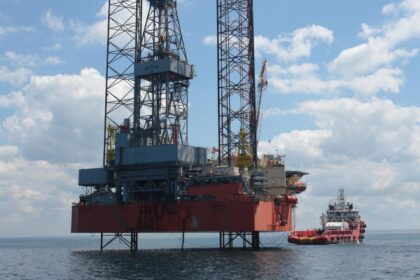
The Mozambique LNG project, led by TotalEnergies, involves the development of the Golfinho and Atum offshore gas fields and the construction of a two-train liquefaction plant. The project has been on hold since 2021, following terrorist attacks in the Cabo Delgado province, prompting the company to declare force majeure that same year. Although TotalEnergies has pushed to resume development, uncertainties around a $14.9 billion financing package have posed significant challenges. In March 2025, US Exim’s board approved the resumption of its share of the financing sparking a legal backlash from civil society groups. The NGOs argue that the US Exim Bank acted unlawfully by bypassing environmental assessments, economic evaluations, public consultation, and congressional oversight. They filed a civil suit on July 14 in a U.S. district court, demanding the suspension of the funds and a ruling that the approval is null and void under the Export-Import Bank Act of 1945.
The project has displaced thousands, been linked to serious human rights abuses, and risks causing extensive environmental damage,
Legitimacy of leadership questioned
A central aspect of the lawsuit challenges the authority of the board members who approved the financing. At the time, the bank was led by interim officials James Cruse and James Burrowsappointed by former President Donald Trump. According to US Exim’s charter, a quorum of three Senate-confirmed board members is required to approve large-scale financial agreements. The lawsuit argues that this requirement was not met when the Mozambique LNG funding was reapproved. A spokesperson for US Exim declined to comment on the ongoing litigation but affirmed that the bank continues to operate in compliance with all relevant laws and regulations. In a statement issued earlier this year, the bank maintained that the 2025 decision was merely an amendment to a 2019 approval and did not necessitate additional congressional notification.
This second amendment, which contains no material changes from the initial authorization, simply extends certain deadlines to accommodate the restart of construction,
Human rights and security concerns
Beyond the legal irregularities, the NGOs raise concerns about the deteriorating security situation in Cabo Delgado. They point out that Exim Bank staff are still unable to travel to the region due to safety risks and cite ongoing allegations of abuses by Mozambican security forces stationed near the project site. Reports also suggest that insurgent activity continues in the area.
The controversy has also triggered political debate within the United States. Some Republican lawmakers ironically from Trump’s own party have criticized the use of taxpayer money to fund a foreign gas project, particularly one situated in a conflict zone. These critics argue that similar domestic projects, such as Alaska LNG, have struggled to secure comparable government support. They also warn that boosting African gas exports could undercut U.S. energy independence and directly compete with American LNG producers in global markets.
Implications for Mozambique LNG
If the court rules in favor of the plaintiffs and invalidates the US Exim loan approval, it could seriously jeopardize the relaunch of Mozambique LNG. The TotalEnergies-led consortium has made the confirmation of international financing a precondition for lifting the force majeure status. The project, which is expected to produce up to 12.88 million metric tons of LNG annually, is considered a transformative opportunity for Mozambique’s economy. A withdrawal of U.S. support could delay or derail the project entirely, despite continued backing from other export credit agencies in Asia, Europe, and Africa. Agencies reaffirming their support include South Africa’s ECIC, Thailand’s EXIM Bank, the Japan Bank for International Cooperation, Nippon Export and Investment Insurance, and Italy’s SACE. However, UK Export Finance and the Netherlands’ Atradius DSB have reportedly maintained a pause on their commitments. While the US Exim Bank’s renewed backing of Mozambique LNG marked a turning point in U.S. policy on African energy, it has ignited a firestorm of legal, political, and ethical challenges that now threaten the project’s future.