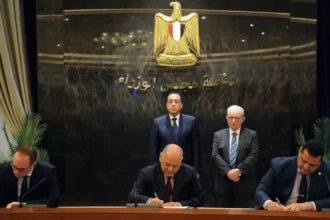
A strategic support for local economic actors. Proparco, the private sector arm of the French Development Agency (AFD), is reinforcing its commitment in Cameroon. In partnership with Afriland First Bank, it is providing an envelope of USD 43.6 million (approximately XAF 26.2 billion) to support local SMEs. This collaboration is part of a dynamic aimed at increasing financial inclusion and stimulating economic development beyond major urban centers.
Two financial instruments structure this partnership: a senior credit line of USD 21.8 million, specifically dedicated to SMEs, and an Ariz guarantee of an equivalent amount, intended to cover the riskiest loans, particularly those granted to entrepreneurs operating in rural areas.
25% of the funds directed toward agriculture
Aware of the strategic importance of the agricultural sector, Proparco requires that a quarter of this credit line be allocated to agropastoral projects and companies based in rural areas. In a country where agriculture is the backbone of employment and food security, this financial support is seen as a concrete response to the structural needs of farmers and agro-entrepreneurs. “This partnership is essential as it supports sustainable growth, promotes financial inclusion, and strengthens local economies,” said Françoise Lombard, CEO of Proparco.
Toward a more resilient entrepreneurial ecosystem
With this initiative, Proparco and Afriland First Bank aim to encourage the creation of sustainable jobs, develop the local economic fabric, and improve the resilience of small businesses, often excluded from the traditional banking system. This support should also help reduce geographical inequalities in access to credit and economic opportunities. …
More Read



Since 2022, Proparco and Afriland First Bank have been working closely together. A Trade Finance guarantee, initially set at USD 16.3 million, was increased to USD 21.8 million in 2024, facilitating commercial transactions totaling more than USD 114.5 million (approximately XAF 69 billion), mostly in the raw materials and agri-food sectors.
This new funding marks another step in this cooperation, this time targeting micro and small enterprises, which represent 99.8% of Cameroonian businesses and nearly 78.5% of the national GDP.