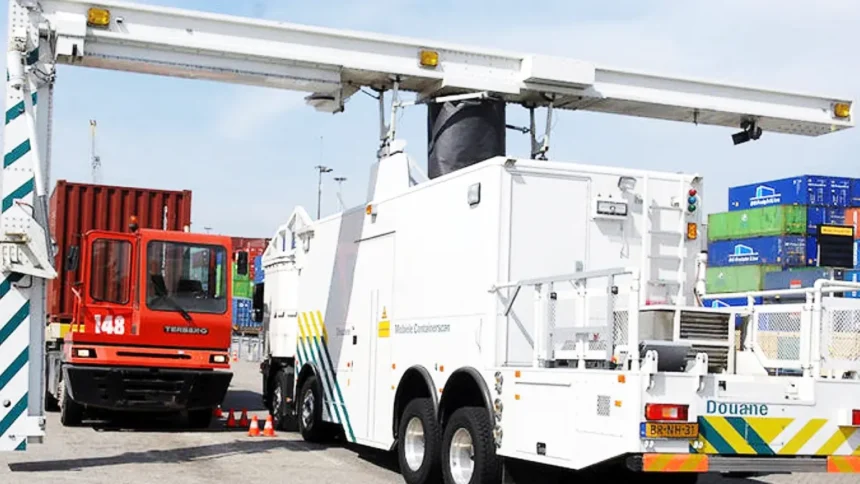


GECAM raises the alarm over growing economic fallout. In a statement released on February 12, 2026, the Groupement des Entreprises du Cameroun (GECAM) relayed the concerns of key economic stakeholders gathered during an emergency consultation. Participants included representatives from SCADIC, UCAM, GPAC, CNCC, SYNEFOR, GIMC, CROPLIFE, as well as several importers. They unanimously condemned the immediate consequences of the dual scanning system: significant extension of port clearance timelines; stematic double billing for scanning services; sharp increase in logistics costs (demurrage, congestion charges); production slowdowns and risks of supply shortages; potential rise in consumer prices; declining competitiveness of the Douala port platform; recent paralysis of customs clearance and cargo loading operations and deterioration of the business environment. In response, the business community formally demands: normalization of operations through a single scanning process and a single payment system ; creation of a joint public-private commission to assess incurred overcosts and ensure full reimbursement to affected companies and suspension of PAD-approved tariff increases pending impact assessment. Failing a rapid resolution, companies announced a temporary suspension of import/export declarations starting February 16, 2026.
PAD defends its mandate and regulatory obligations
Reacting to GECAM’s public position, PAD expressed surprise that the employers’ group an active member of the port community did not seek prior consultation. The Port Authority reiterates that its core mission is to ensure: security and safety of vessels, cargo, infrastructure and personnel ; regulatory compliance ; operational fluidity; logistics cost control ; and competitiveness of the Douala port hub. PAD further states that the 100% non-intrusive inspection of import/export flows strictly follows government directives. Regarding tariffs, PAD recalls that no pricing is enforceable without prior approval by the National Port Authority, following extensive consultations with port community members. Current PAD service tariffs have been in force since January 2019. Crucially, PAD argues that the real systemic risk stems from Customs’ unilateral suspension of declaration liquidation not from comprehensive cargo scanning.
Government steps in : SGS ordered back into operations
Faced with mounting disruption, the Prime Minister’s Office intervened decisively. In an official correspondence, the Cabinet reminded PAD that excluding SGS violates the Scanner Inspection Contract binding the Cameroonian Government and SGS. Under direct instructions from the Prime Minister, PAD was ordered to immediately reinstate SGS operations across the port platform. As a temporary measure, Customs agreed to process images produced by TransAtlantic D SA to allow clearance of containers already scanned by that operator, pending final government directives. However, despite these transitional arrangements, no containers were reportedly redirected to SGS inspection sites effectively preventing the company from executing its mandate and prolonging operational uncertainty.
A crisis with serious macroeconomic implications
Beyond the operator crisis, the episode exposes structural fragilities in Cameroon’s logistics chain. The Port of Douala handles the vast majority of national imports and serves several landlocked Central African economies. Any prolonged disruption directly translates into: declining government revenues ; rising import costs; weakened national competitiveness and increased risks of informal trade and smuggling.
In closing, PAD urges all stakeholders across the logistics and foreign trade chain to prioritize constructive dialogue and maintain operational continuity, in the higher interest of Cameroon’s foreign trade and sub-regional economies. On the ground, however, time is running out. Without swift resolution, Cameroon risks a sustained disruption of commercial flows impacting businesses, consumers, and overall macroeconomic stability.