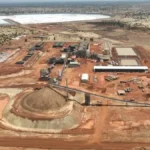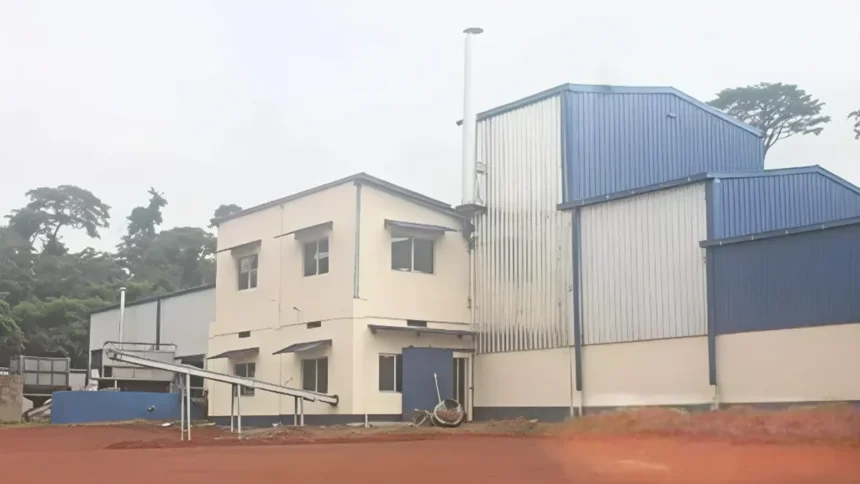


Located in the city of Sangmelima, the Société de Transformation Industrielle de Manioc (SOTRAMAS) was established with an estimated investment of CFA 1.2 billion. Designed with a theoretical processing capacity of 120 tons of cassava per day approximately 48,000 tons annually the plant was projected to create around 108 direct jobs. The vision was ambitious: process cassava locally into starch, flour and dried chips, reduce dependency on imported derivatives, and provide a structured and reliable market for regional farmers. On paper, the project appeared to tick all the boxes of a strong agricultural industrialization model.
Idle facilities and a weakened value chain
In practice, however, several producers report underutilized equipment, insufficient maintenance, and persistent challenges in securing raw material supply. The absence of a clearly implemented commercial strategy has also reportedly hindered the distribution and sale of processed products.
As a result, farmers continue to rely on informal markets, selling their harvest at uncompetitive prices without capturing the added value that local industrial transformation was supposed to generate. The anticipated economic spillover effect across the agricultural basin has therefore yet to materialize.
Rehabilitation costs exceed initial investment
The situation raises serious concerns about governance standards and the monitoring of public investments. Recent projections suggest that fully rehabilitating the site would require approximately CFA 1.643 billion exceeding the original construction cost. This financial gap highlights the long term consequences of inadequate maintenance planning and weak operational oversight. In a region often presented as strategic for national development, the gradual decline of such infrastructure has become, for many observers, emblematic of broader accountability and sustainability challenges.
A warning sign for Cameroon’s industrialization agenda
Beyond the case of Sangmelima, the SOTRAMAS file reopens a broader debate about the viability of agro-industrial ventures in Cameroon. Significant upfront capital expenditure does not automatically translate into performance or sustainability. Without a robust business model, continuous maintenance frameworks, and strong integration within the agricultural value chain, industrial facilities risk turning into stranded assets. The cassava processing plant in Sangmelima was meant to embody agriculture led industrialization. Today, it stands as a reminder of the structural hurdles still facing Cameroon’s economic transformation. The key question now is whether a credible recovery plan will be implemented to unlock the project’s still considerable economic potential.